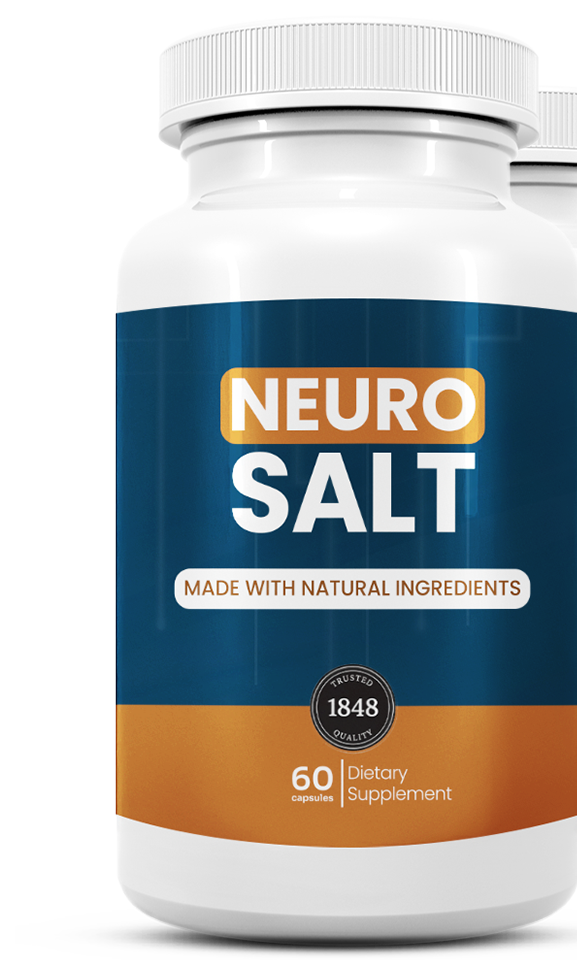
 NeuroSalt
Why Stress Keeps You Up at Night
"Tired but wired" is one of the most common ways people describe stress-disrupted sleep — exhausted, but unable to switch off. There's a real physiological reason this happens, and understanding it makes the fix more obvious than "just relax more" ever does.
The mechanism, briefly
Stress activates your sympathetic nervous system — useful for handling a genuine threat, less useful at 11pm when the "threat" is an email you sent three days ago. That activation keeps cortisol and general alertness elevated past the point where your body would normally be winding toward sleep.
Why this compounds over time
Poor sleep itself is a stressor. One rough night makes the nervous system more reactive the next day, which makes the following night harder to settle into, and so on. Breaking that cycle usually takes more than one good night's sleep — it takes a consistent pattern the nervous system can learn to trust.
What actually helps
- Consistency over intensity. The same wind-down cues at roughly the same time matter more than any single "hack." See our evening routine guide for specifics.
- Daytime stress management. Movement, daylight exposure, and even brief breaks during the day reduce the nervous system's baseline alertness by bedtime.
- Botanical support, used consistently. Ingredients like Passionflower and California Poppy are traditionally used to support relaxation — see our breakdown of nerve-support botanicals for the full picture.
When to see a professional
If sleep disruption is persistent, severe, or accompanied by other symptoms — including nerve pain, numbness, or tingling — that's worth bringing to a physician rather than addressing with lifestyle changes or supplements alone.
NeuroSalt's formula was built around this exact idea: consistent, daily botanical support rather than a one-time trick. See the full ingredient formulary or explore pricing if you'd like to try it.
*These statements have not been evaluated by the Food and Drug Administration. This product is not intended to diagnose, treat, cure, or prevent any disease. This article is educational and not a substitute for medical advice.