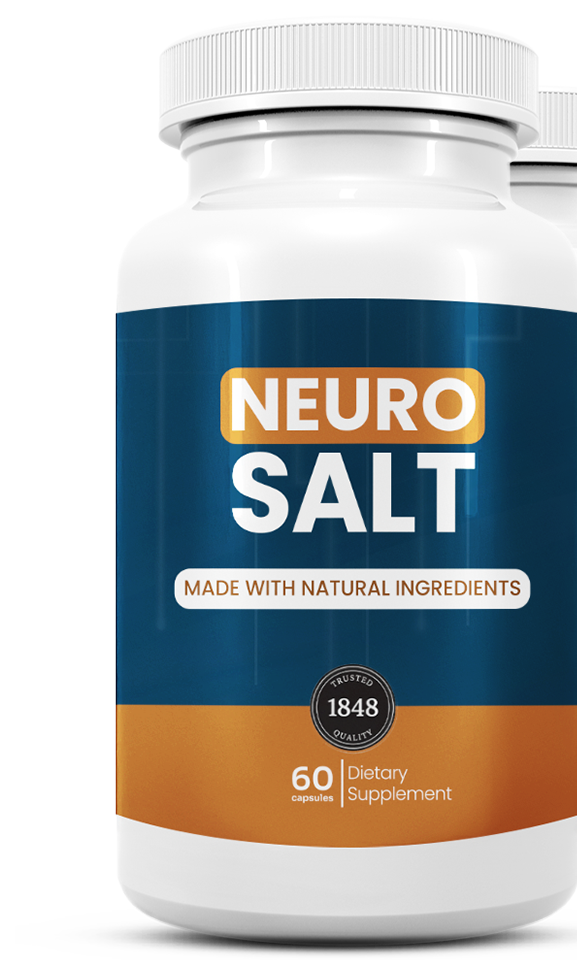
 NeuroSalt
How to Calm Your Nervous System Before Bed
You lie down, finally, and your mind does the opposite of settling. It replays the day, drafts tomorrow's to-do list, and generally acts like it just had three espressos. This isn't a willpower problem — it's a nervous system that's still in "on" mode, and it usually needs a deliberate off-ramp rather than an abrupt stop.
Why "just relax" doesn't work
Your nervous system runs on two main gears: a sympathetic "go" state suited to activity and alertness, and a parasympathetic "rest and digest" state suited to sleep and recovery. Shifting from one to the other takes time and specific cues — not just the absence of a screen.
Five habits that actually help
- Set a wind-down window, not just a bedtime. Give yourself 30–45 minutes of deliberately lower-stimulation activity before you intend to sleep.
- Dim light on purpose. Lower, warmer light in the hour before bed supports the body's natural melatonin timing.
- Try slow, extended-exhale breathing. A longer exhale than inhale (for example, in for 4 counts, out for 6–8) nudges the nervous system toward its calmer gear.
- Write tomorrow's list tonight. Externalizing the mental to-do list reduces the loop of trying to "remember it all" while lying still.
- Support the routine nutritionally. Some people build a calming botanical into their evening routine — see our piece on the botanicals traditionally used for nerve support for a plain-language rundown.
Where a daily formula fits in
None of this replaces a routine, but a consistent daily formula can be one piece of it. NeuroSalt's blend includes California Poppy and Passionflower, both traditionally used to support relaxation and healthy sleep patterns — see the full ingredient formulary for the complete breakdown, or the pricing page if you're ready to try it.
If sleep disruption is severe, persistent, or paired with other symptoms, it's worth a conversation with a physician rather than habit changes alone.
*These statements have not been evaluated by the Food and Drug Administration. This product is not intended to diagnose, treat, cure, or prevent any disease. This article is educational and not a substitute for medical advice.